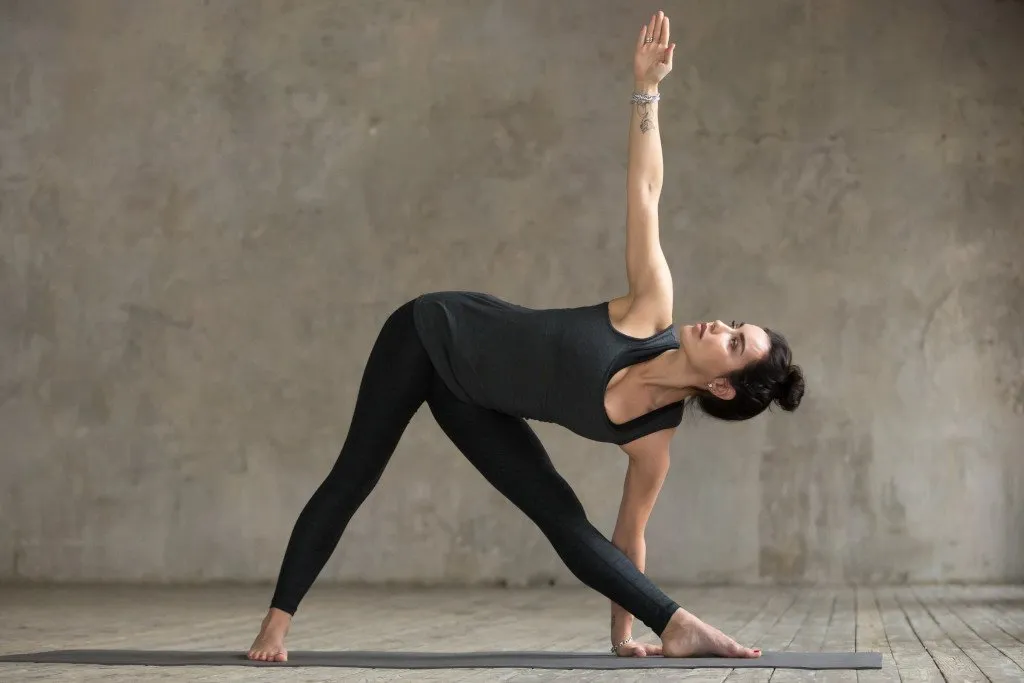
Why Slower Yoga Practices Are Becoming Essential for Stress Heavy Lifestyles People living with constant deadlines, digital noise and full schedules often assume they need more intensity to feel better. Yet many are discovering that slower practices such as hatha yoga can be essential for stress-heavy lifestyles. Slow yoga gives the body time to release, the mind time to settle and the breath time to become steady again. Stress does not always respond well to more pressure. When the body is already tense and overstimulated, another aggressive workout may not be the answer. Slower yoga offers a different path. It combines movement, stillness, alignment and breath in a way that supports recovery without complete inactivity.
Why stress-heavy lifestyles need downshifting
Many adults spend most of the day in a state of alertness. They respond to messages, manage decisions, sit through meetings and move quickly between responsibilities. The nervous system may remain activated even after work ends. Downshifting means helping the body move from high alert to a calmer state. Slower yoga supports this because it reduces speed and encourages awareness. Students are not rushing through movement. They are feeling the body, observing the breath and allowing tension to become visible.
The problem with always choosing intensity
Intense exercise has benefits, but it is not always suitable when stress is high. If someone is sleeping poorly, emotionally overloaded or physically tense, constant intensity may add to the body’s stress load. Slower yoga does not mean avoiding challenge. Holding postures, staying present and breathing through discomfort can be demanding. The difference is that the challenge is controlled and mindful. It teaches regulation rather than escalation.
Stillness as a skill
Stillness can feel difficult for people with busy minds. In hatha yoga, stillness is practised gradually through posture holds and breath awareness. Students learn to remain present without needing constant stimulation. This skill is useful outside class. A person who becomes more comfortable with stillness may find it easier to pause before reacting, rest without guilt or notice when they are becoming overwhelmed.
Slower yoga may support stress recovery by helping students:
- Notice tension patterns earlier
- Slow down breathing
- Improve body awareness
- Release physical tightness
- Build patience during discomfort
- Create a calmer transition after work
These benefits are especially relevant for people who feel constantly switched on.
Breath as the centre of the practice
In slower yoga, breath becomes easier to observe. Students can notice whether they are breathing smoothly or forcing their way through postures. The breath becomes a guide. This matters because stress often changes breathing before people notice anything else. A shortened breath can signal tension. A steady breath can help the body soften. Practising this in class gives students a tool they can use throughout the day.
Movement without rushing
Slow movement improves attention. It reveals imbalances, stiffness and unnecessary effort. Students may notice that they grip the toes, tense the jaw or lift the shoulders even when it is not needed. These discoveries help reduce stress-related habits. The body learns that movement does not have to be rushed or forceful to be effective.
Supporting sleep and evening recovery
Stress-heavy lifestyles often affect sleep. The mind remains active, the body feels tense and the evening becomes filled with screens or unfinished tasks. Slower yoga can help create a transition into rest. An evening hatha practice may release the back, hips and shoulders while calming the breath. This does not guarantee perfect sleep, but it can support better preparation for it.
Why slow does not mean passive
Slower yoga can be physically strong. Standing postures, balances and controlled transitions require effort. The difference is that students have time to align the body and breathe through the work. This makes the practice valuable for people who need both strength and calm. It does not ask them to choose between movement and recovery.
A studio setting for nervous system reset
A calm studio environment can strengthen the benefits of slower practice. Yoga Edition offers a focused setting where students can step away from daily demands and practise with more attention. The environment supports the shift from busyness to awareness. For stress-heavy lifestyles, this separation is important. It gives the body a clear signal that it is safe to slow down.
The return to slower wellness
Slower yoga practices are becoming essential because modern life is already fast enough. People need routines that help them regulate, not just perform. Hatha yoga offers this by combining strength, alignment, breath and stillness. For adults carrying stress in the body and mind, slow practice can be deeply practical. It teaches that recovery is not weakness. It is a necessary part of living well in a demanding world.
